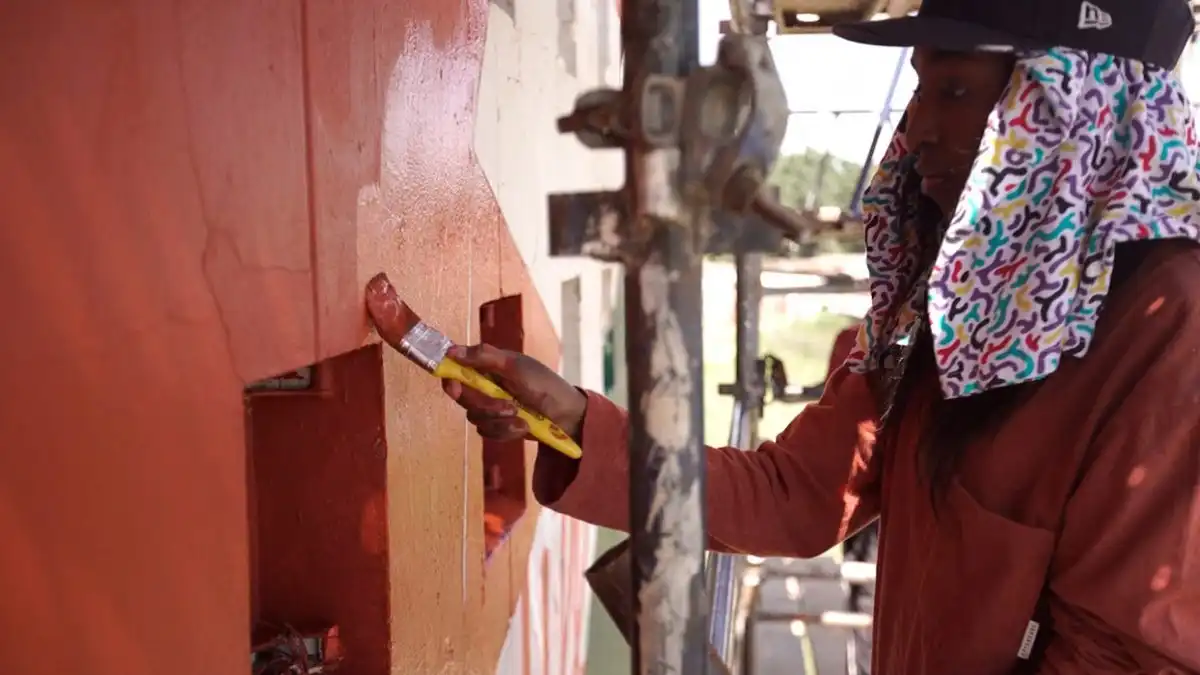
South African street art A journey with King ADZ
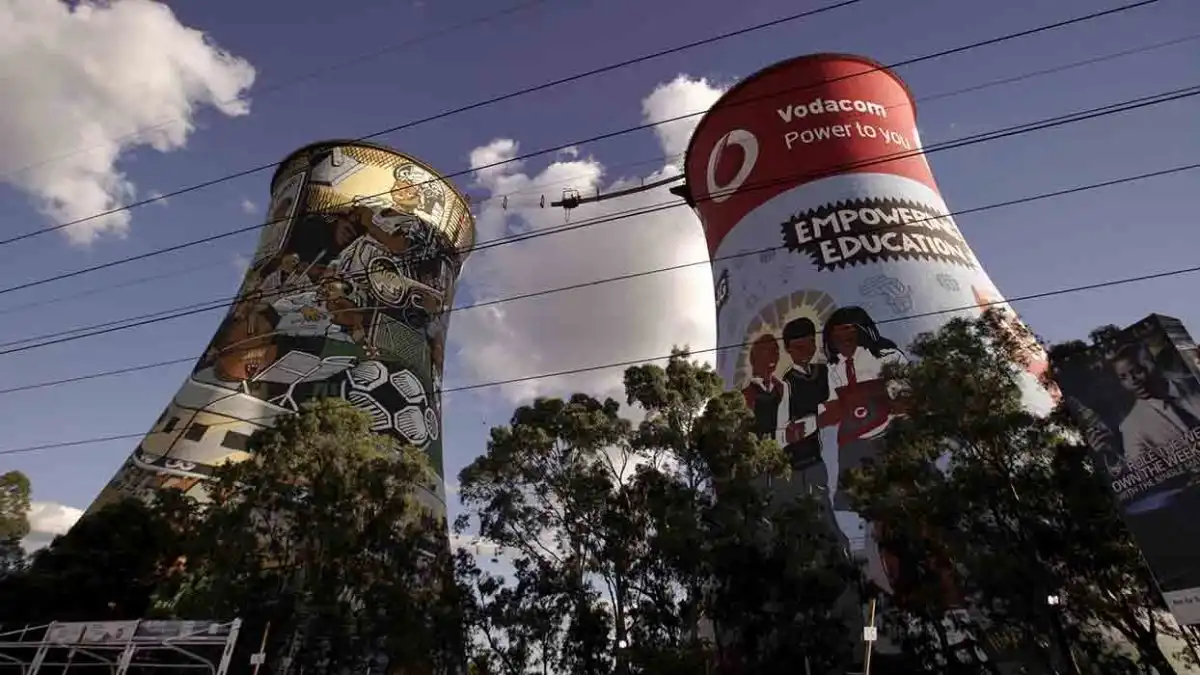
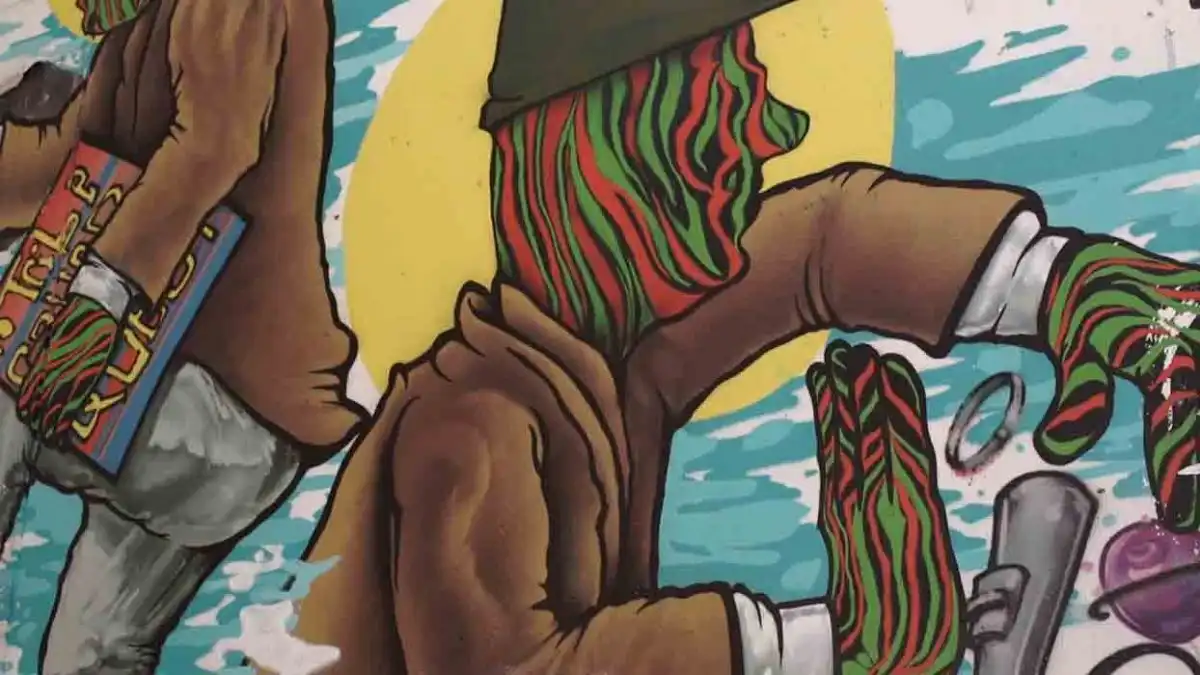
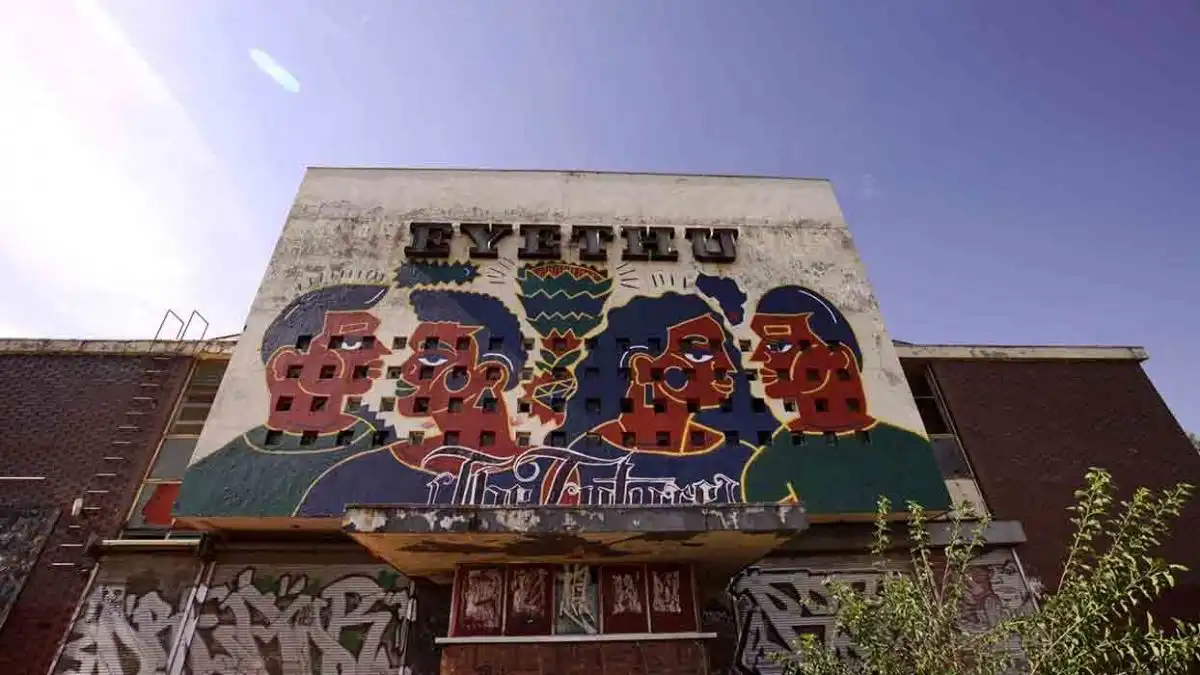
Just like our PERi-PERi, all the art in our restaurants comes straight from Southern Africa. We make a difference in people’s lives while growing our collection of Southern African contemporary art and commissioning murals for restaurants globally. By showcasing the artists’ work in our restaurants, we’re sharing a significant period in Southern Africa’s history with the rest of the world. This history and politics show up massively in South African street art in particular.
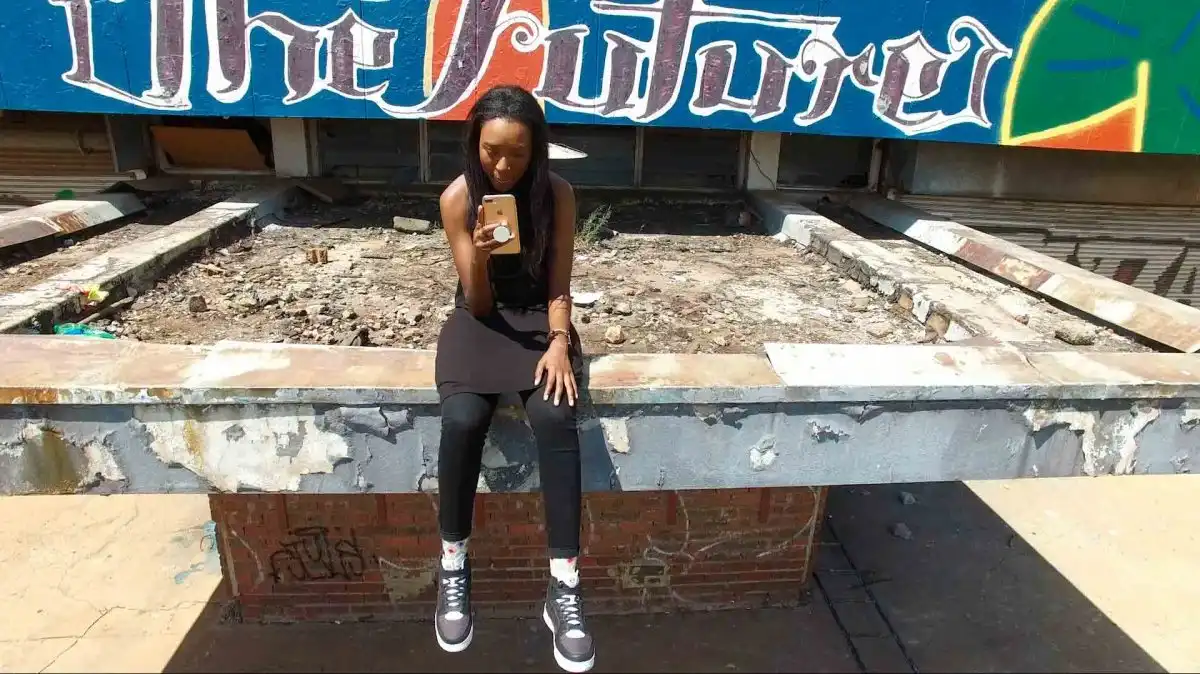
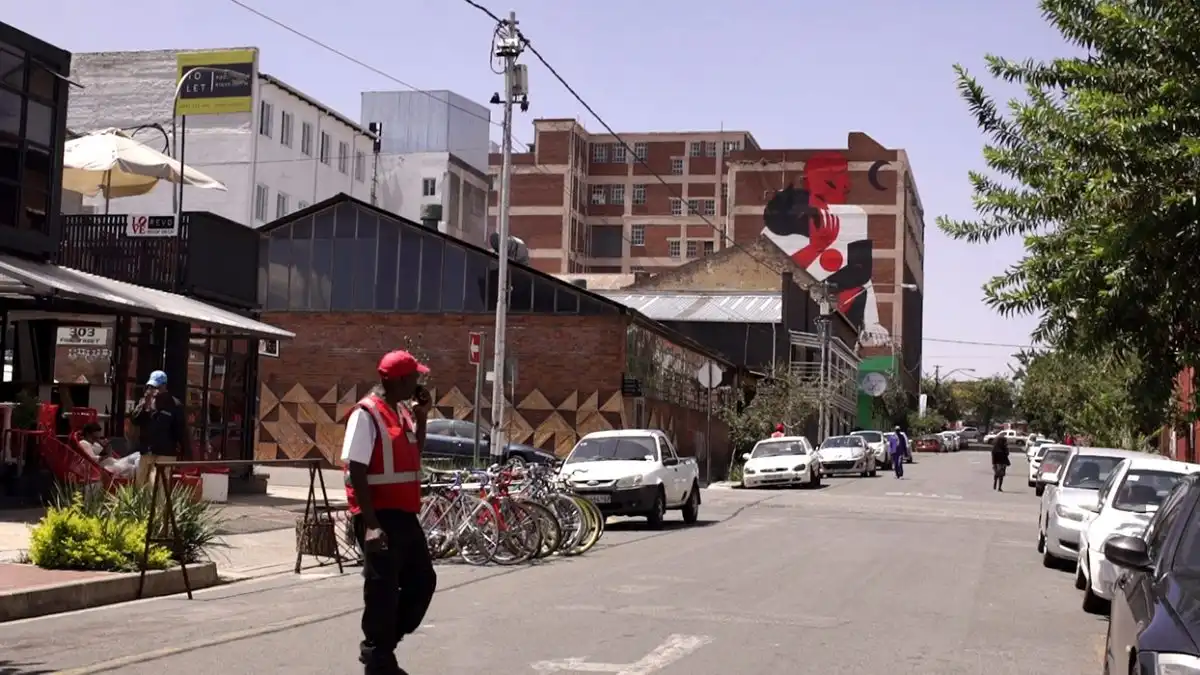
So we journeyed back to the place it all started, Johannesburg, with sub-culture writer and filmmaker, King ADZ to find out more about the origins, influences and the bright future of its street art.
The journey, told by King ADZ
The first commercial job I had as a filmmaker took me deep into a township in Cape Town — twenty years later I find myself stood in a township in South Africa to shoot a documentary about street art for Nando’s. It’s funny how things work out.
Somewhere in the early noughties, I was accidentally implanted in the street art community. I made a documentary about a French bloke called Blek le Rat, who turned out to be the Godfather of today’s street art scene, and the artist who inspired Banksy to create his own full-length stencils. What I liked about street art as a kid, was that it operated completely outside of the established (and, well, crusty) art world. It was an authentic community nurtured by artists and fans — people of all ages who loved street art — and, more importantly, everyone who was into it was involved in not only the creation but also the curation of the scene itself.
“Every time I paint something I think is vaguely original I find out Blek le Rat has done something similar. Only twenty years earlier”
The history of South African street art
Going back in time to the mid-eighties in South Africa, when Blek le Rat was busy stencilling his life-sized figures around Europe, the anti-apartheid movement began to gather momentum, through use of street art techniques: street-art paste-up posters, stencils, and your regular spray-can slogans. Inspired by socialist sloganeering from Russia, white South African university students started to use the resources of the universities across the country to help with the struggle. They would get slogans and ideas from the activists in the townships and they would make stencils of revolutionary slogans and then spray them up all over the white areas. “It was almost an art movement into itself,” Roger Young, South African writer and filmmaker told me.
“It found its way into gallery art and into international magazines, but, by the mid-eighties had found its way back into the townships where township artists had started to use stencilling a lot.”
Maybe I’m biased, but street art is the most exciting mutation of art. It’s made art fun, accessible and relevant. It’s also, however, given a worldwide voice to those previously silenced by the social and economic divides of the city. It’s got protest ingrained in its DNA: the very first artist to use the street as a canvas and the spray can as brush was Gerard Zlotykamien, a Polish holocaust survivor who escaped to Paris during the Second World War. He started painting in the streets in 1963, paving the way for the rest of the world to catch up some decades later, including the South African scene I went out to explore for this film.
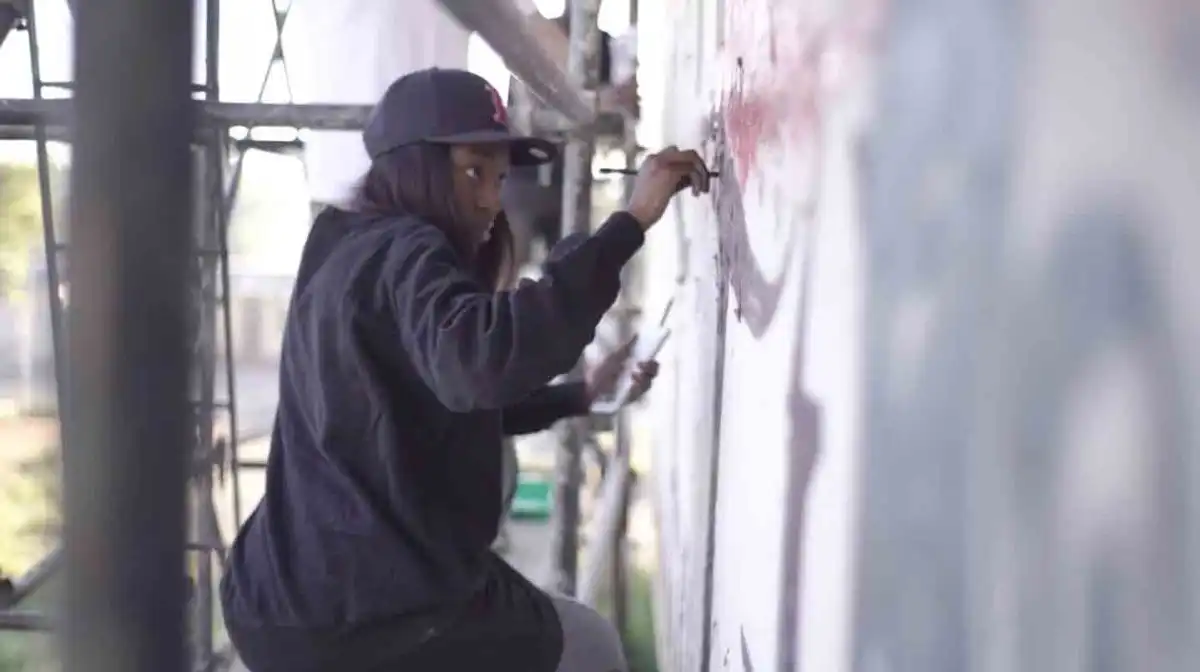
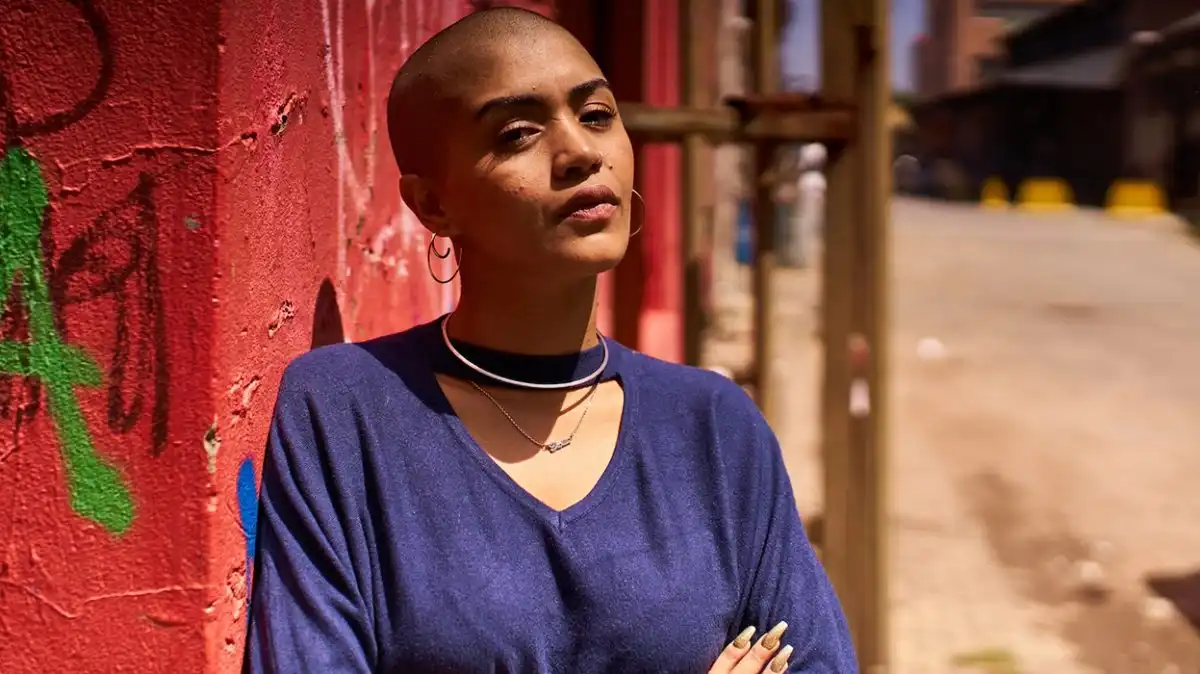
From its revolutionary beginnings to being a valid part of the global movement currently, today’s street art community in South Africa is represented by artists such as Karabo Poppy Moletsane, Jack Fox and Nardstar. They carry the torch for their forefathers and mothers, never forgetting the struggles they had to endure…